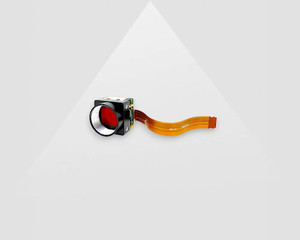
VA Imaging VEN-161-61U3M-M06 1/2.9" Monochrome CMOS (Sony IMX296) Boardlevel Camera, PCB with No Housing, 1.6 Megapixels, 1440 x 1080, 61 fps, Global Shutter, No Mount, USB 3.0 Output
IMX296 USB3 Vision Camera
The Venus USB3.0 camera lineup consists of industrial-grade boardlevel cameras equipped with a USB3.0 connection. USB3.0 is well-suited for cameras requiring high resolution and fast data transfer rates. Additionally, this interface is compatible with embedded systems such as the Raspberry Pi (version 4 or newer) and NVIDIA platforms.
This particular model is ideal if your application meets the following criteria:
- Industrial boardlevel camera format
- Cable length up to 4.5 meters
- Single cable connection for device interface
- Compatible with PCs and embedded systems: ARM V7 & ARM V8 architectures
- Supports hardware triggering
A 50 cm open-ended I/O cable is provided.
For further information, please refer to the user manual.
Customizable Housing Choices
You have the option to choose the housing that best suits your needs. The Venus USB3.0 cameras come in these configurations:
VEN-161-61U3M-M06: Without housing: 32.5x32.5x8.1mm | Weight: 7 grams
VEN-161-61U3M-M05: M12 mount: 35x35x15.1mm | Weight: 32 grams
VEN-161-61U3M-M01: CS mount: 35x35x15.8mm | Weight: 31 grams
VEN-161-61U3M-M01 plus 5mm Extension ring: C-Mount: 35x35x20.8mm | Weight: 34 grams
When selecting an M12 lens, you may opt for either the M12 mount or the CS mount combined with our C-to-M12 lens adapter.
Warranty and Lifecycle Information
Daheng Imaging manufactures over 100,000 industrial cameras annually, adhering to stringent quality standards. These cameras hold TÜV Rheinland certification and come with a three-year warranty. Each camera model remains available for a minimum of seven years following its market release, with many models supported for significantly longer periods. For additional details about our product lifecycle management, please consult the linked article.
Monochrome Imaging Camera
A monochrome camera, commonly referred to as a black and white camera, provides benefits across numerous applications. While color cameras dominate markets such as security and telecommunications, industrial sectors prefer monochrome cameras for their enhanced light sensitivity, sharper image quality, and reduced data size compared to color imaging. These characteristics facilitate more efficient image processing. By choosing the appropriate lighting wavelength and lens filter, specific product features can be emphasized, allowing the capture of high-contrast, high-resolution images using monochrome cameras.