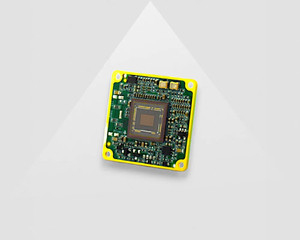
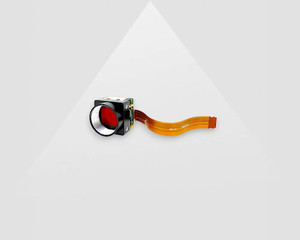
VA Imaging VEN-161-61U3M-M05 1/2.9" Monochrome CMOS (Sony IMX296) Boardlevel Camera, PCB with No Housing, 1.6 Megapixels, 1440 x 1080, 61 fps, Global Shutter, M12 Mount, USB 3.0 Output
IMX296 USB3 Vision Camera
The Venus USB3.0 camera lineup features an industrial boardlevel camera equipped with a USB3.0 connection. USB3.0 provides an ideal interface for cameras requiring high resolution and rapid data transfer rates. Additionally, this interface is well-suited for embedded systems such as Raspberry Pi (version 4 or newer) and NVIDIA platforms.
This particular model is suitable if your application meets the following criteria:
- Industrial boardlevel camera design
- Maximum cable length up to 4.5 meters
- Single cable connection for device communication
- Compatible with PCs and embedded systems including ARM V7 & ARM V8 architectures
- Supports hardware triggering
A 50 cm open-ended I/O cable is provided.
For further information, please refer to the user manual.
Versatile Housing Selections
You have the option to choose a housing that matches your needs. The Venus USB3.0 camera series is offered in these configurations:
VEN-161-61U3M-M06: Without housing: 32.5x32.5x8.1mm | 7 grams
VEN-161-61U3M-M05: M12 mount: 35x35x15.1mm | 32 grams
VEN-161-61U3M-M01: CS mount: 35x35x15.8mm | 31 grams
VEN-161-61U3M-M01 plus 5mm extension ring: C-Mount: 35x35x20.8mm | 34 grams
If you are using an M12 lens, you may select either the M12 mount or the CS-mount combined with our C-to-M12 adapter.
Warranty and Product Longevity
Daheng Imaging manufactures over 100,000 industrial cameras annually, adhering to stringent quality standards. These industrial cameras carry TÜV Rheinland certification and include a 3-year warranty. Each camera model remains available for a minimum of 7 years following its market release, with many models supported for significantly longer periods. For additional details on our product life cycle management, please consult the linked article.
Monochrome Imaging
A monochrome, or black and white, camera provides benefits across numerous industrial applications. While consumer markets such as security and telecommunications emphasize color cameras, the industrial sector leverages the advantages of monochrome imaging. Black and white cameras offer enhanced light sensitivity, deliver crisp images, and reduce data volume compared to color cameras. This makes them particularly effective for image processing tasks. By selecting appropriate lighting colors and lens filters, a monochrome camera can exploit the product’s characteristics, enabling the creation of images with high contrast and resolution.